Comstock Metals calls Nevada home. Its industrial-scale facility in Silver Springs, Nevada, is the only zero-landfill, high-volume end-of-life solar panel recycling facility. That Silver Springs operation is the platform Comstock uses to serve more than half of the U.S. market for end-of-life panels, reflecting how concentrated early solar deployment was in California, Arizona, and Nevada, as it builds toward full nationwide coverage.
Like its neighbor, California, Nevada is one of the sunniest states in the country. Las Vegas logs almost 300 days of sunshine a year, among the highest counts of any U.S. city. Reno, in the state’s cooler northwest corner, still sees about 250 days of sunshine a year. This resource, paired with vast tracts of open federal land, has made Nevada a magnet for utility-scale solar development well beyond what its own population would suggest.
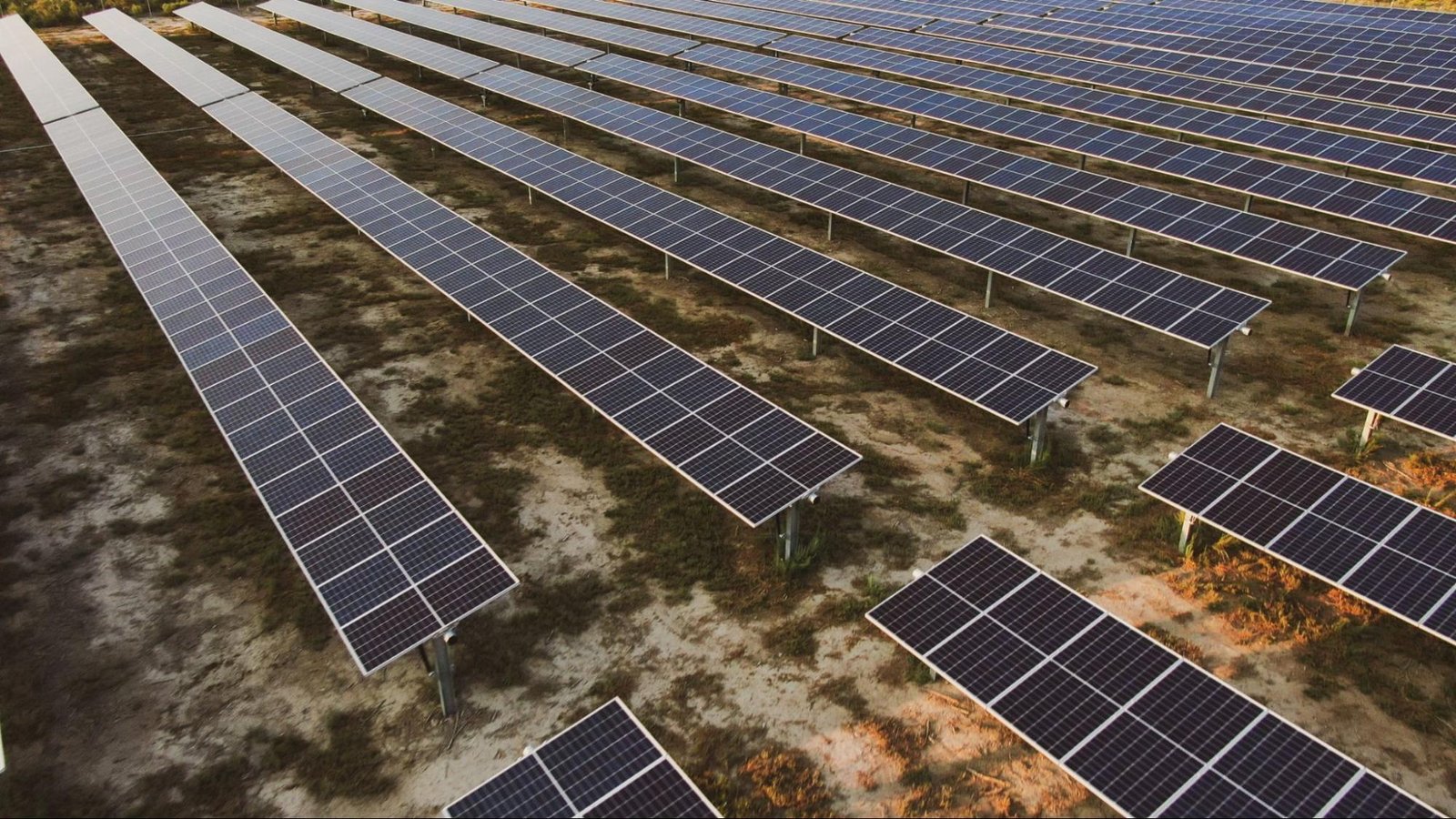
More than 8,244 MWdc of solar capacity is now installed across Nevada, 7th in the nation, and solar supplies roughly a third of the state’s electricity, 33.5%, one of the highest shares anywhere in the country, according to SEIA. Nevada also ranks 4th nationally for energy storage deployment, backed by a state target of 1,000 MW of new storage procurement by 2030. Much of that installed base sits on land leased from the federal government rather than on privately owned parcels, a detail that matters as much for how panels are eventually decommissioned as for how they were built. For now, the material actually showing up at a recycler’s dock is dominated by installation mishaps, factory rejects, and panels simply wearing out over time rather than wholesale system retirements. Nevada is the exception worth watching, because so much of its fleet went in early, genuine end-of-life volume is going to start showing up here well before it does in states that built out later.
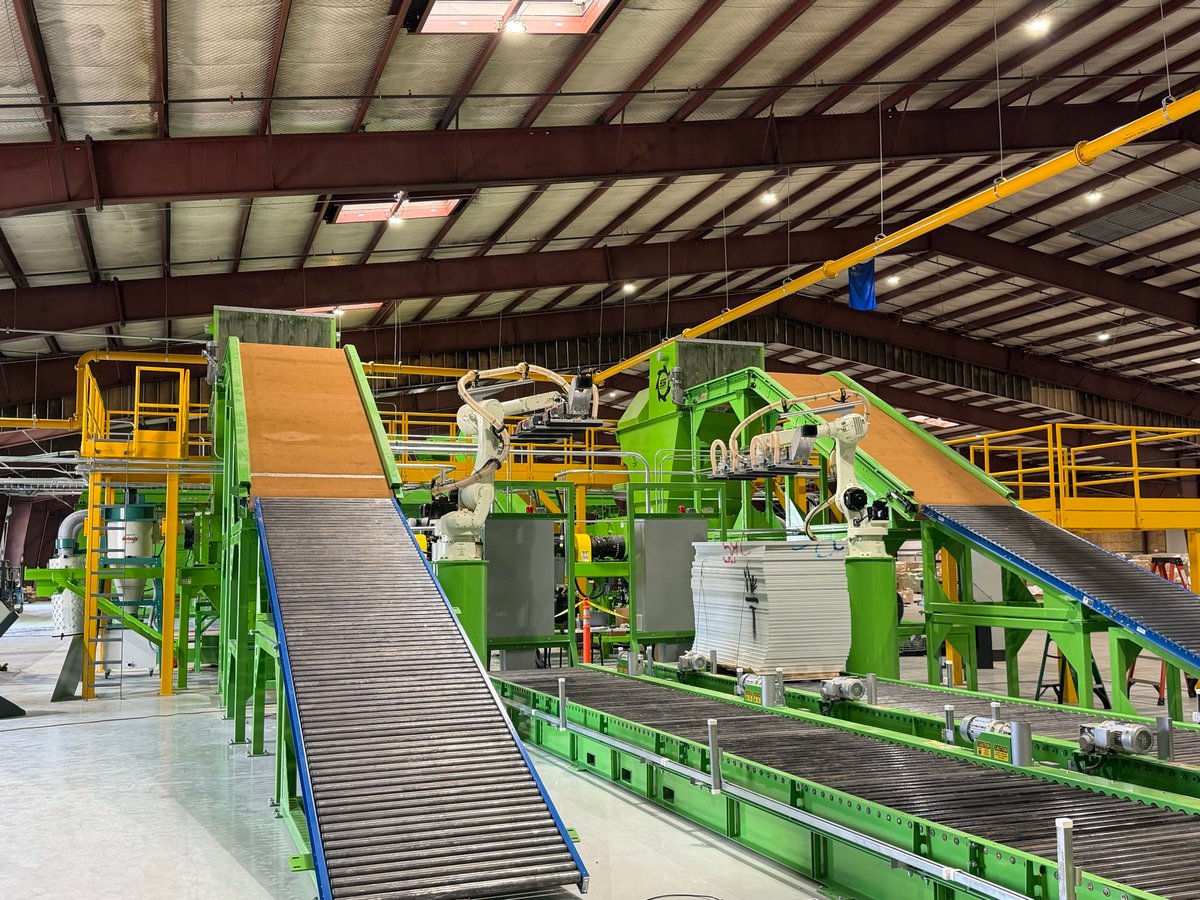
Source: Solar & Storage Nevada, SEIA
Nevada hasn’t adopted a universal waste rule specific to photovoltaic modules, so end-of-life panels here fall under the same hazardous waste framework that governs most other industrial waste. The Nevada Division of Environmental Protection (NDEP) administers that program, adopting the federal Resource Conservation and Recovery Act (RCRA) regulations by reference, with certain state-specific modifications.
Whether a given load of panels is hazardous is a call the generator must make, usually by running Toxicity Characteristic Leaching Procedure (TCLP) testing to screen for heavy metals such as lead and cadmium. NDEP has direct, hands-on experience applying that framework to solar recycling specifically: its own written determination for Comstock Metals’ Silver Springs facility authorizes the site to receive and process panels across the solid, hazardous, and universal waste categories, citing the destination-facility standards at 40 CFR Part 273 Subpart E. That kind of facility-specific scrutiny is part of what keeps a permitted recycler’s paperwork trustworthy for asset owners further up the chain.
Nevada generators can also rely on the same two federal carve-outs available everywhere else: the 2015 Verified Recycler Exclusion and the 2018 Transfer-Based Exclusion under 40 CFR 261.4, which ease the compliance burden considerably once panels are headed to a qualified recycler rather than a general waste handler.
There’s no single Nevada statute mandating a decommissioning bond or reclamation plan across every solar project, but a large share of Nevada’s utility-scale fleet sits on land managed by the federal Bureau of Land Management, which affects applicable regulation. BLM’s right-of-way terms for solar development require a performance and reclamation bond, sized to an independent cost estimate but never less than $10,000 per acre of disturbed land, posted before construction can even begin.
Some Nevada counties, including Lyon County, have gone further still and written their own decommissioning and reclamation standards into local code for solar, wind, geothermal, and energy storage projects. Between federal land requirements and county ordinances, Nevada asset owners are more likely than not to face a decommissioning obligation, even without a single statewide statute spelling it out.
A nationwide universal-waste designation for solar panels is still unresolved at the EPA, even though adopting one would make interstate recycling shipments considerably simpler. In the meantime, every shipment has to satisfy the rules of the state it’s leaving and the rules of the state it’s arriving in, simultaneously, whatever those happen to be.
Our free tool breaks down how those rules currently compare, state by state.
Comstock Metals brings that same rigor to its home state that it brings everywhere else, whether the panels come from an aging utility-scale array in the desert, installation-stage damage, or manufacturing rejects. Every panel collected here moves through a fully tracked chain, from pickup to final material recovery at the Silver Springs, Nevada facility, without a landfill or quiet handoff to an overseas buyer in the future.
Comstock Metals delivers full-service solar panel recycling across Nevada, including:
Because Comstock Metals runs this process in-house, Nevada customers get simplified logistics, alignment with NDEP and RCRA requirements, and meaningfully less exposure than an unmanaged pile of retired panels would create, all from a company that’s headquartered in the very state it’s recycling for.
Comstock Metals' Qualifications:


Contact Comstock Metals today to learn more about decommissioning and end-of-life solar panel management in Nevada.
Nevada has no universal waste designation for photovoltaic modules, so the compliance burden defaults to whoever owns the asset. Routing panels through a qualified recycler is what satisfies the Nevada Division of Environmental Protection (NDEP) and keeps material out of a landfill.
Somewhat. Thin-film modules require more specialized processing than crystalline silicon, and not every recycler that handles one can handle the other. Comstock Metals processes both the crystalline silicon that makes up most of Nevada’s utility-scale fleet and thin-film modules alike, breaking them down into recoverable glass, aluminum, silicon, and other materials at the Silver Springs facility. Comstock Metals also handles and recycles damaged panels.
Our clients choose from site services (for partially operational sites), full decommissioning, or recycling on its own for panels that are already off-site. Whichever route fits, we handle transportation, documentation that satisfies both the Nevada Division of Environmental Protection (NDEP) and RCRA, and certified recycling at every step, for utility-scale, commercial, and residential projects throughout Nevada, all performed at the Silver Springs facility.
Project location, panel count and type, panel condition, expected timeline, and whether transportation or decommissioning support is needed, that’s generally enough for Comstock Metals to put together an accurate quote.
Nevada doesn’t require this through a single statewide law. However, utility-scale solar built on federal land under a Bureau of Land Management right-of-way must post a reclamation bond before construction begins, and some Nevada counties, including Lyon County, require their own decommissioning plans for local approval.
They fall under Nevada’s general hazardous waste program, which is based on the federal RCRA framework. Nevada Division of Environmental Protection (NDEP) has already tested that framework directly against a real solar recycler: it’s the same standard the agency applied when it evaluated Comstock Metals’ own Silver Springs facility.