

Solar manufacturing waste recycling is the process of safely recovering valuable materials from damaged, defective, or rejected solar panels and byproducts that never reach a customer. Instead of landfilling this material, storing it indefinitely, shipping it overseas, or relying on an unverified waste broker, manufacturers can route this waste through a certified domestic recycling process built for zero-landfill solar recycling.
A finished panel goes through size reduction, material treatment, and separation to recover clean aluminum, glass, and metal. Loose byproducts such as trimmings and wiring often skip straight to material recovery, since they were never laminated together. Rejected solar wafers go through a separate process that separates silicon from metal contacts. In every case, the goal is the same: recovering usable material and selling it back into the manufacturing supply chain instead of creating waste.
What Is Considered Solar Manufacturing Waste?
Solar manufacturing waste refers to any solar panels, wafers, or byproducts that a facility cannot fully manufacture, pass quality control, or install as planned. That includes photovoltaic (PV) modules and leftover parts that go unused or unsold because of damage or because they fail quality and production standards.
Solar manufacturing waste may include:
- Prototype or test modules
- Quality control rejects
- Damaged or broken panels from production, packaging, or transportation
- Cosmetic defects that fail inspection
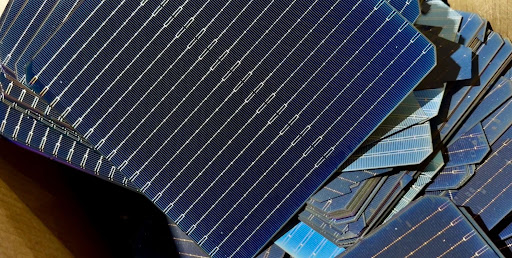
- Rejected solar wafers, the remnant sheets of silicon semiconductor material that still carry usable silicon and metal contacts
- Trimmings and hardware scraps from frames, metal wiring, encapsulants (EVA), or backsheet material
Despite containing the same valuable materials as any functional or end-of-life panel, including glass, aluminum, silicon, and trace metals, this waste is often treated as a lower priority for solar panel waste management, even though it can carry similar recycling requirements as end-of-life material.
End-of-Life Solar Panels vs. Solar Manufacturing Waste
End-of-life solar panels and solar manufacturing waste both require responsible recycling, but they enter the recycling stream at different stages of a panel's lifecycle. End-of-life panels are photovoltaic modules that have reached the end of their useful service life after 25 to 30 years of generating electricity, or that were removed during repowering, storm damage, or system upgrades. Solar manufacturing waste consists of panels, byproducts, or materials that never enter service. Although these panels and parts have never been installed, they contain the same valuable materials as end-of-life panels. The key difference is when the panel enters the recycling stream, not how it should be recycled.
| End-of-Life Solar Panels | Solar Manufacturing Waste | |
|---|---|---|
| When | After 25 to 30 years of service, or following storm damage, repowering, or system upgrades | During manufacturing, before the panel is ever installed or put into service |
| Examples | Aging panels, damaged field panels, and decommissioned systems | Quality control rejects, damaged inventory, rejected wafers, prototype panels, off-specification production runs, frame trimmings, and scrap wiring or encapsulant material |
| Who generates it? | Asset owners, utilities, developers | Solar manufacturers and Engineering, Procurement, and Construction (EPC) companies |
| Goal | Recover valuable materials and prevent landfill disposal or uncertain overseas export | Recover valuable materials and prevent landfill disposal or uncertain overseas export |
Why Manufacturers Cannot Just Landfill or Stockpile This Waste
Manufacturers cannot simply treat solar manufacturing waste as ordinary trash. Discarded panels can trigger the same hazardous waste requirements as any solar panel that fails a toxicity characteristic test for lead, cadmium, or other heavy metals. If those metals leak from improperly handled material, they can pose real environmental and human health risks.
Stockpiling rejected panels or wafers is not a long-term solution either. As waste accumulates, manufacturers remain responsible for that inventory in storage. Once a facility generates more than about 220 pounds of hazardous waste a month (the federal Very Small Quantity Generator threshold of 100 kilograms, or roughly five panels), Resource Conservation and Recovery Act (RCRA) generator rules can require an EPA identification number and on-site accumulation time limits, generally 90 to 180 days depending on generator category.[1]
Recycling this material instead of storing or disposing of it can change that picture. Under federal RCRA regulations, EPA treats unused solar panels damaged before installation, and solar panel manufacturing scrap such as off-specification modules, as unused or off-specification commercial chemical products. If a generator or recycler legitimately reclaims that material, EPA would not regulate it under RCRA Subtitle C. If the same material is sent for disposal, it becomes solid waste and may be hazardous waste (40 CFR Section 261.2(c)(3)).[2]
In other words, properly recycling rejected panels, wafers, and manufacturing scrap can reduce environmental and compliance risks while also changing how these materials are regulated. A documented recycling program gives manufacturers a clear way to manage this waste, recover valuable materials, and support sustainable reporting practices.
How Solar Panel Recycling Handles Damaged and Rejected Panels
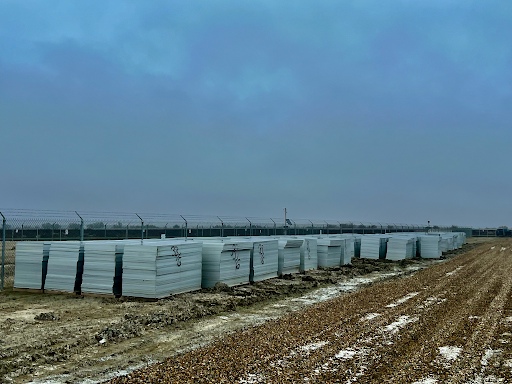
Discarded solar panels, whether they failed quality control, were damaged in transit, or never proceeded past prototyping, go through the same three-step recycling process as any end-of-life module: size reduction, material treatment, and separation. Loose byproducts such as frame trimmings, wiring, and encapsulant or backsheet scraps do not require the same lamination removal, since they were never fused into a finished panel. This solar manufacturing waste still contains valuable recyclable materials such as aluminum, copper, and glass, and should be routed to the same certified recycler rather than treated as ordinary trash.
Rejected solar wafers are recycled differently from other solar manufacturing waste. On installed panels, these wafers are thin slices of silicon that serve as the semiconductor base of a solar cell, converting sunlight into electricity. Recycling a wafer involves separating the silicon from the thin metal components on the wafer's surface that carry the electrical current. Because wafers are almost pure silicon, their material recovery is highly valuable and typically requires a more advanced recycling process than other solar manufacturing waste.

Regardless of why a panel, wafer, or byproduct is being recycled, the goal stays the same: cleaning and separating valuable materials so they can be returned to manufacturing rather than becoming waste. For a closer look at the three-step process used on finished modules, see How Does a Solar Panel Get Recycled?
Why Certified Domestic Recycling Matters
Not every company that accepts solar panels performs complete recycling. Some organizations primarily collect solar panels or mechanically shred them without fully separating the materials. Others may rely on downstream vendors or export materials overseas, making it difficult for manufacturers to verify where solar manufacturing waste ultimately ends up.
Choosing a certified domestic recycling partner provides more than material recovery. It also improves traceability, documentation, and accountability throughout the process.
When evaluating a recycling provider, manufacturers should ask:
- Is the recycling facility independently certified?
- Can the recycler document material recovery?
- Are recovered materials returned to manufacturing?
- Does the company provide chain-of-custody documentation?
- Are damaged panels and byproducts processed domestically?
These questions help manufacturers verify that a recycler's claims are supported by documented recycling practices, not just marketing language.
Comstock Metals' Zero-Landfill Recycling Process
Comstock Metals provides certified domestic recycling solutions for solar manufacturing waste, including damaged, defective, and rejected solar panels. The process is built around a zero-landfill solar recycling standard: no component or material Comstock processes is sent to a landfill. Comstock also runs an advanced, purpose-built recycling process for solar wafers that never make it past the manufacturing line, recovering the silicon and metal contacts rather than letting that valuable material get lost in general scrap.
The Comstock Metals recycling process is certified to the R2v3 Responsible Recycling Standard, including Appendix G for photovoltaic modules, which verifies that solar panels are fully recycled rather than repaired, resold, or landfilled. Comstock accepts all panel types and conditions while providing transportation, logistics, palletization, and recycling documentation to support customer compliance and sustainability goals.
Every downstream vendor handling recovered materials is also audited through the R2v3 certification process, helping to ensure that materials are safely returned to industrial manufacturing rather than sent to landfill or exported overseas. This is what a zero-landfill solar recycling commitment looks like in practice: not a slogan, but a documented, audited outcome.
Benefits of Partnering with Comstock Metals
Beyond material recovery, partnering with a certified recycler like Comstock Metals gives manufacturers a documented way to address three separate concerns at once.
-
Environmental compliance and reduced liability
R2v3/Appendix G certification and audited downstream vendors mean manufacturers can document exactly how their solar manufacturing waste was handled, reducing the risk of liability resurfacing later under RCRA.
-
Sustainability goals and corporate responsibility
A zero-landfill recycling record gives sustainability teams verifiable data to support ESG reporting, rather than a vague recycling claim.
-
Streamlined logistics and service
Comstock Metals handles transportation, palletization, and documentation directly, so manufacturers do not have to manage multiple vendors for a single waste stream.
Solar manufacturing waste recycling is not optional or minor cleanup. It carries the same environmental stakes and regulatory requirements as end-of-life panel recycling, just earlier in the supply chain. Manufacturers who route rejected panels, wafers, and production scrap through a certified, domestic, zero-landfill recycling process reduce liability, recover valuable material, and build a more circular solar supply chain.
FAQ
How do I recycle rejected solar panels?
When rejected solar panels are identified, certified domestic recyclers can separate this waste, package it, and transport it to the appropriate facilities for complete material recovery and documented proof of its destination, rather than landfilling, stockpiling, or exporting it.
What does closed-loop recycling look like for manufacturers?
Closed-loop recycling means a manufacturer's rejected panels, wafers, and production byproducts are fully processed and separated into clean materials that are then resold back into the manufacturing supply chain, with documentation showing where the recovered material ultimately goes.
How does solar panel recycling actually work?
Every panel, regardless of why it is being recycled, goes through the same process: size reduction, material treatment to break down the lamination, and separation into aluminum, glass, and metal materials. How Does a Solar Panel Get Recycled? walks through each step in more detail.
What materials are recovered during solar panel recycling?
Solar panel recycling recovers aluminum from the frame, glass from the front cover, copper and other metals from the wiring and contacts, and, for wafers specifically, high-purity silicon. Each material is separated and sold back into manufacturing supply chains rather than discarded.
How does Comstock Metals ensure zero landfill in their recycling process?
Comstock Metals processes every panel and byproduct domestically at its own certified facility, documents material recovery by category, and audits every downstream vendor through its R2v3/Appendix G certification, so no component, from a rejected wafer to a damaged panel, ends up in a landfill.
What are the environmental benefits of recycling solar manufacturing waste?
Recycling manufacturing waste keeps heavy metals like lead and cadmium out of landfills, recovers finite materials like silicon and copper instead of mining new supply, and reduces the hazardous-waste footprint a manufacturer is otherwise responsible for under RCRA.
Route solar manufacturing waste through a documented, zero-landfill recycling process. Contact Comstock Metals for certified domestic recovery of rejected panels, wafers, and production scrap.
Related Posts
References
[1] U.S. Environmental Protection Agency, "Hazardous Waste Generator Regulatory Summary," accessed August 14, 2026, https://www.epa.gov/hwgenerators/hazardous-waste-generator-regulatory-summary.
[2] U.S. Environmental Protection Agency, "Solar Panel Frequent Questions," unused solar panels damaged prior to installation and solar panel manufacturing scrap, 40 CFR Section 261.2(c)(3), accessed August 14, 2026, https://www.epa.gov/hw/solar-panel-frequent-questions.